The Hidden Costs of Manufactured Home Parks: What Buyers Often Miss
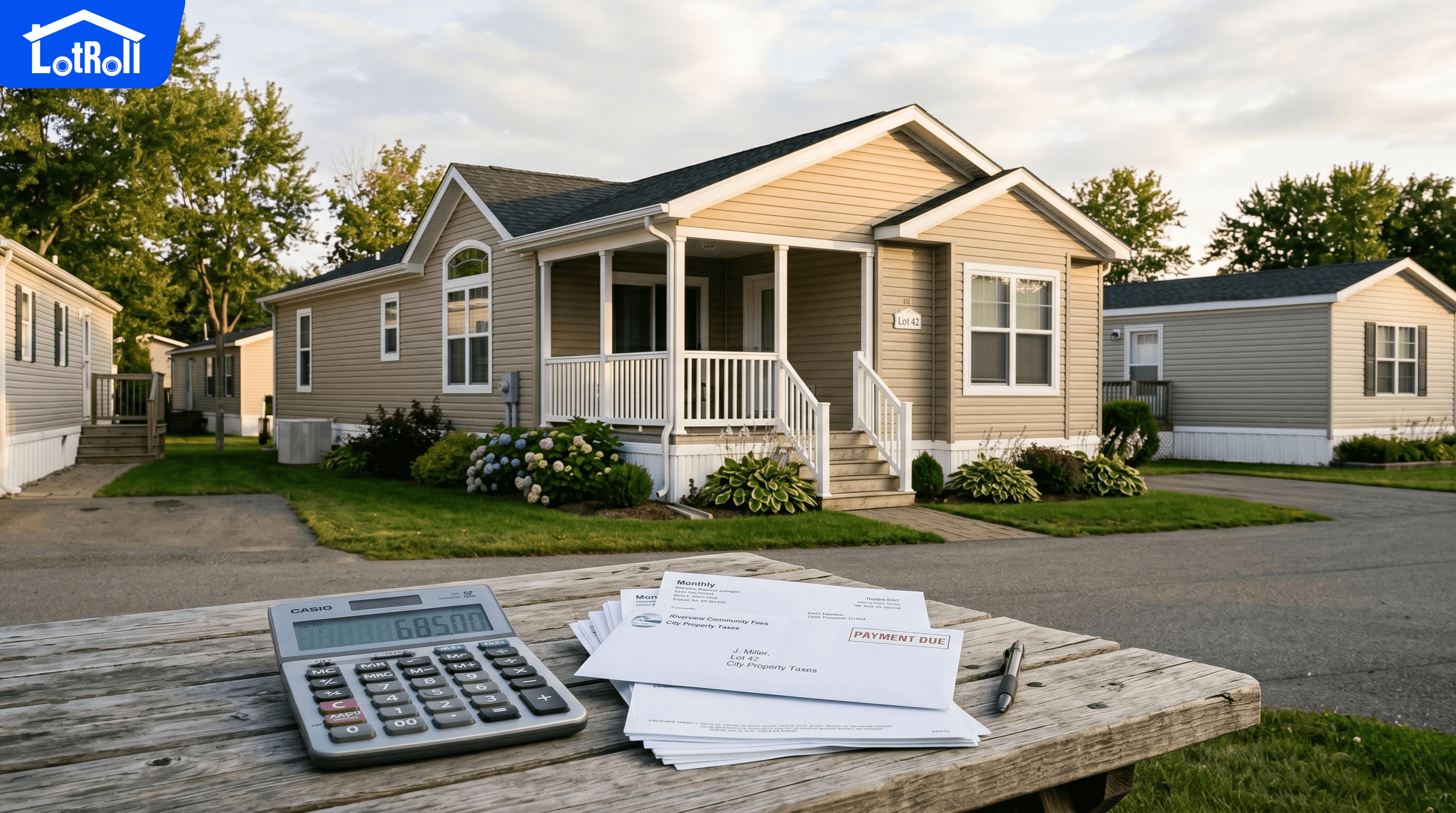
Thinking about buying a manufactured home in a park?
The purchase price might look affordable, but the real cost of ownership goes far beyond the listing price.
Manufactured home parks can offer lower entry prices than traditional housing. However, buyers often overlook ongoing expenses like lot rent increases, utility markups, park maintenance assessments, pet restrictions, and reserve fund exposure.
Understanding these hidden costs is critical before you buy.
In this guide, we break down the most commonly overlooked expenses in manufactured home parks and how to evaluate them before making an offer.

1. Lot Rent Escalation Schedules
When you buy a manufactured home in a park, you typically own the home but lease the land.
That means you pay monthly lot rent.
What Buyers Miss:
- Annual rent increases of 3% to 7% or more
- CPI-indexed escalation clauses
- “Market rate adjustments” after sale
- Rent resets when ownership transfers
A $650 lot rent today can become $850 to $950 within a few years depending on park ownership and market conditions.
What to Ask:
- What has lot rent increased by in the past 5 years?
- Is the increase capped?
- Is there a written escalation schedule?
- Does rent reset after a home sale?
Long-term lot rent growth directly impacts affordability and resale value.
2. Utility Markups and Pass-Through Charges
Some parks sub-meter utilities. Others bill residents directly.
Common Hidden Costs:
- Water and sewer administrative fees
- Trash service markups
- Shared master-meter billing
- Stormwater fees
- Common area electric allocations
Even when usage is modest, added fees can increase monthly expenses by $75 to $200+.
What to Ask:
- Are utilities individually metered?
- Is billing direct or through the park?
- Are there service or admin fees added?
Utility transparency matters more than most buyers realize.
3. Park Maintenance Assessments and Capital Improvements
Unlike traditional HOAs, park maintenance expenses are often less structured and less transparent.
Potential Costs:
- Road resurfacing charges
- Infrastructure upgrades
- Water line repairs
- Sewer improvements
- Storm drainage repairs
Some parks pass through capital improvements to residents.
Even when not immediate, deferred maintenance can signal future rent increases.
What to Ask:
- Are there any upcoming infrastructure projects?
- Has the park recently changed ownership?
- Are residents responsible for any improvement costs?
4. Pet Policies and Compliance Fees
Pet policies can significantly affect lifestyle and resale flexibility.
Often Overlooked:
- Breed restrictions
- Weight limits
- Monthly pet rent
- Pet deposits
- Approval processes
If your buyer pool shrinks because of strict policies, resale may become harder.
5. Reserve Fund and Park Financial Stability
This is one of the most misunderstood areas of manufactured home park ownership.
Unlike condo associations, parks may not publicly disclose reserve funds or capital reserves.
Why It Matters:
- Parks with weak reserves may increase rent aggressively
- Deferred infrastructure creates sudden cost pass-through risk
- Ownership transitions often trigger rent adjustments
If the park is sold to a new operator, rent strategy can shift quickly.
What to Research:
- Who owns the park?
- Has ownership changed recently?
- Are there public complaints or rent spike history?
Financial health at the park level affects long-term cost stability.
6. Insurance Requirements
Some parks require:
- Specific liability coverage
- Proof of insurance annually
- Additional insured endorsements
Insurance premiums can vary significantly depending on:
- Location
- Flood zone status
- Home age
- Park requirements
Failing to budget for this can create surprise costs at closing.
7. Exit Costs and Resale Restrictions
Some parks:
- Require approval of buyers
- Restrict home age at resale
- Charge transfer fees
- Limit rental rights
These policies affect liquidity and exit flexibility.
Before buying, understand how easy it will be to sell.
How These Costs Affect Long-Term Ownership
Let’s look at a simplified example:
Home Purchase Price: $85,000
Initial Lot Rent: $650
If lot rent increases 5% annually:
- Year 1: $650
- Year 5: ~$790
- Year 10: ~$1,060
That’s a major long-term cost shift.
Add utilities, insurance, and potential assessments, and the real monthly ownership cost may be far above the advertised home payment.
Manufactured housing is still one of the most affordable housing options in America. But only if buyers understand the full financial picture.
How to Protect Yourself as a Buyer
Before purchasing a manufactured home in a park:
✔ Review the park lease agreement
✔ Ask for historical rent increases
✔ Confirm utility structure
✔ Research ownership history
✔ Understand resale rules
✔ Factor in insurance requirements
✔ Compare long-term cost projections
Transparency is the difference between a smart purchase and a costly surprise.
Why Data Transparency Matters in Manufactured Housing
One of the biggest challenges in the manufactured housing market is inconsistent access to:
- Comparable sales data
- Park-level rent history
- Ownership transparency
- Infrastructure insight
This lack of structured information creates friction and uncertainty.
Platforms like LotRoll aim to bring more transparency to manufactured home listings, park visibility, and valuation data so buyers can make informed decisions.
Final Thoughts: Affordable Does Not Mean Risk-Free
Manufactured homes in parks can offer:
- Lower purchase prices
- Strong affordability
- Community living
- Faster move-in timelines
But buyers must evaluate lot rent growth, utilities, park financial stability, and resale rules.
The hidden costs are not necessarily deal breakers.
They are simply variables that require clarity.
When you understand them, you buy smarter.