Homeowner Priorities Shift as Affordability Crisis Persists
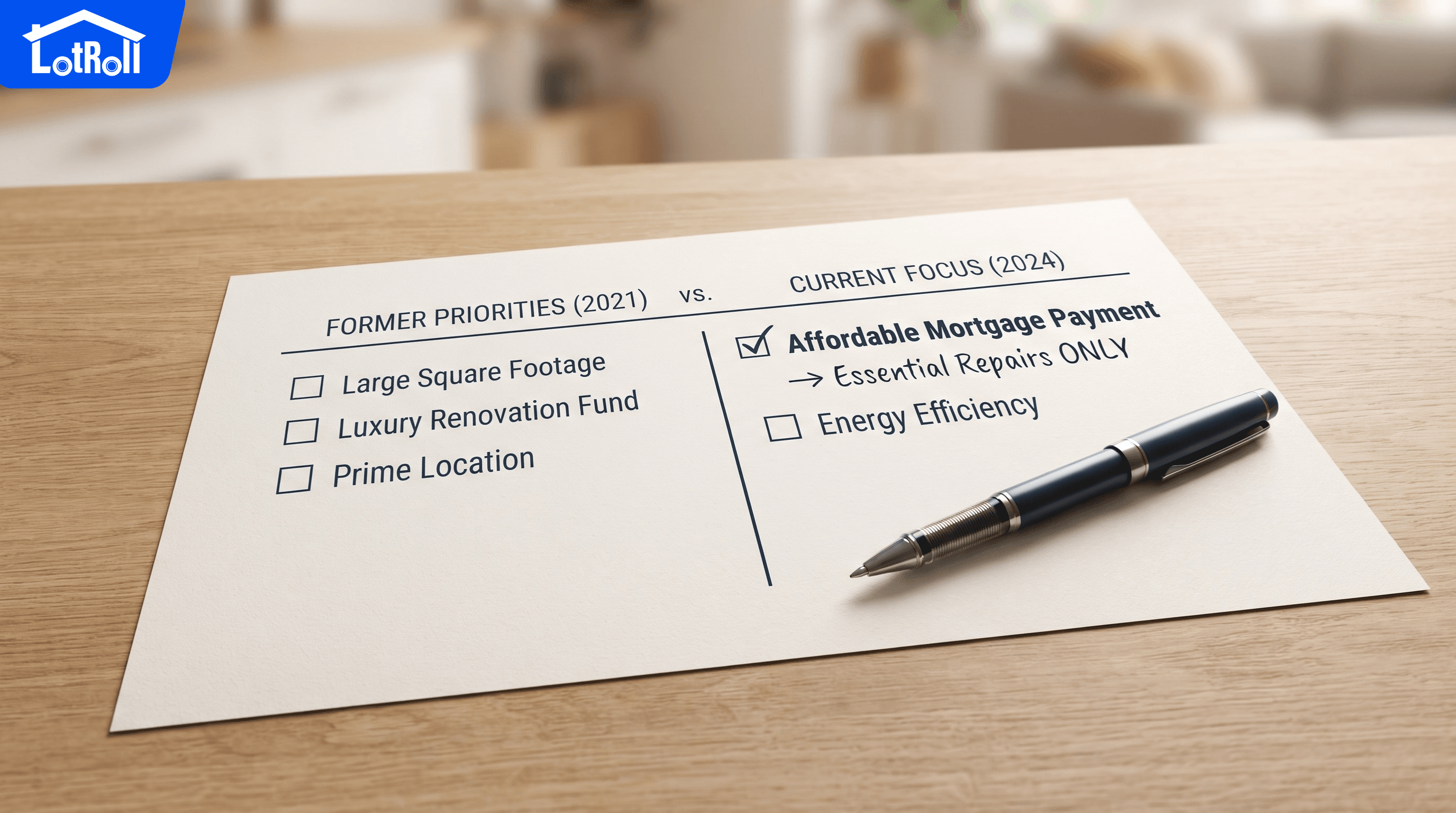
As the home affordability crisis continues, and first time homebuyers struggle to get a foot in the door in the real estate market, buyers and builders alike must make sacrifices and compromises in new home construction and sales. New trends of homebuyer data show that the first thing buyers have been willing to sacrifice is square footage, and that affordability and functionality outweigh the desire for a large home.
Addressing affordability challenges lies largely in the hands of builders, and as labor shortages and rising material costs, it is increasingly difficult to build homes that meet buyers’ needs at a reasonable price. However, surprisingly, in recent years newly built homes have been priced more competitively than existing houses, which is generally atypical. How has the market accomplished this? By shrinking home sizes.
When mortgage rates stay inflated, buyers are forced to make tough choices regarding non-negotiables in a new home, and size has proven to be the most flexible variable.
This trend began in 2019, as buyers started to lean toward purchasing homes that were functional rather than large, but this decline was interrupted by covid. During the pandemic, as people spent so much more time confined to their house, there was a national drive for larger houses with more space. Falling mortgage rates during this time actually made it possible for people to size up their houses, payment rates reaching as low as only 3%. By the end of 2022, the average home size was 2,236 square feet, roughly 200 feet larger than the average pre-Covid.
However, throughout 2023 and 2024 prices increased significantly due to rising building costs and labor shortages, and buyers had to start reevaluating whether extra space was worth it.
Historically, homeowners tend to prefer larger homes, and this desire became much more doable during covid. But as we as a country transitioned out of the pandemic, the market became overinflated and declining due to the economic fallout of a pandemic. Until income rises to be equitable to the price of a new home, smaller homes are likely to become commonly accepted as a part of the homebuying process, especially for first time buyers looking for a starter home.
Buyers now tend to value efficient layouts, quality features, and updated appliances over room and home size, and builders have been able to meet this desire by prioritizing functionality over extra space. Many new homes feature open kitchen layouts and lots of natural light, helping to open up smaller spaces and increase functionality and efficiency.
This bodes well for the manufactured housing market, which offers buyers some of the most affordable homes on the market today. As smaller homes rise in popularity and enter the mainstream, and manufactured homes continue to evolve to meet market needs, buyers are more likely to look into this sector.